High BMI in Pregnancy: Evidence, Choice and Compassionate Support
A high body mass index (BMI) in pregnancy is associated with an increased risk of certain pregnancy-related complications when compared with women within a “normal” BMI range. BMI, while imperfect, is still widely used in maternity care as a screening tool. When we talk about high BMI in pregnancy, we are generally referring to individuals with higher body fat relative to their height, rather than overall health or worth.
Understanding the evidence matters — but so does understanding choice, context, and how care is delivered. This balance sits at the heart of both respectful maternity care and good doula support.
What the Evidence Tells Us About High BMI in Pregnancy
Research consistently shows that people with a BMI of 30 or above have a higher likelihood of developing certain complications during pregnancy.
Evidence-based risks include:
Gestational diabetes, with rates approximately three times higher in women with BMI ≥30
Hypertensive disorders of pregnancy, including pre-eclampsia
Increased likelihood of induction of labour and caesarean birth
Challenges with external fetal monitoring and clinical assessment due to body size
Increased rates of babies who are large for gestational age, preterm birth, and stillbirth
(As outlined by the Royal College of Obstetricians and Gynaecologists and large population studies.)
These risks are real and deserve honest discussion. But evidence alone is not enough — how this information is shared, and what happens next, is just as important.
This is where informed choice, advocacy, and compassionate care become essential — and where doulas play a vital role.
Does a Higher BMI Mean Fewer Choices in Birth?
Absolutely not.
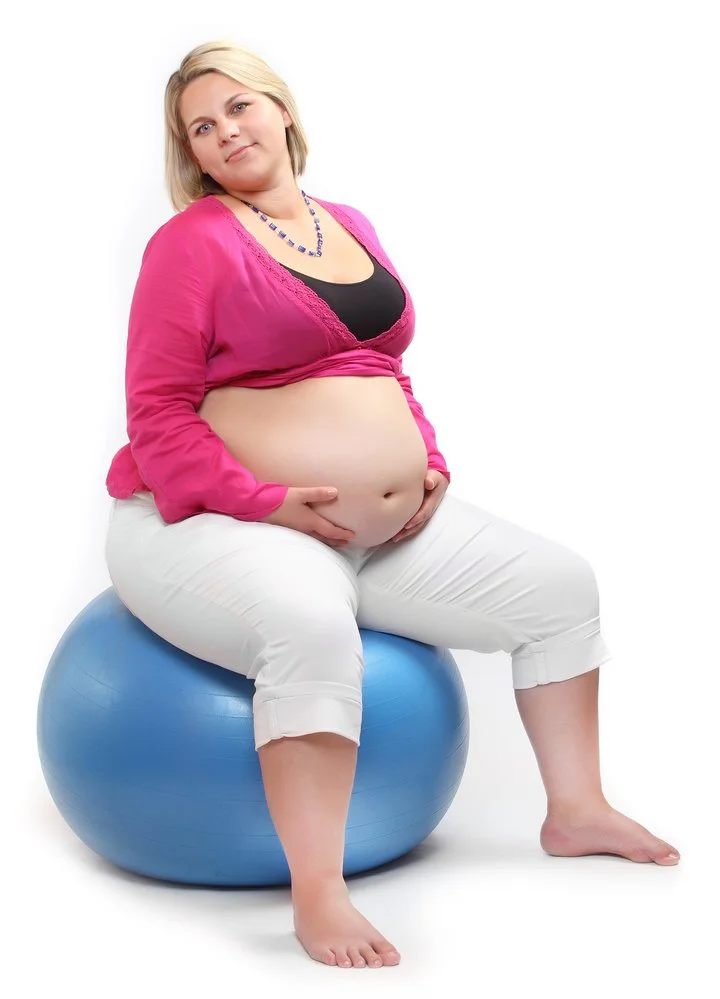
Modern maternity systems are largely risk-focused, which means people with a higher BMI are often labelled “high risk” early in pregnancy. While risk awareness has its place, it can also lead to fear-based decision-making, pressure to comply, and a loss of confidence in one’s body.
Every pregnant person — regardless of BMI — has the right to:
Clear, unbiased information
Time to make decisions
Respectful, non-judgemental care
The ability to consent to or decline any intervention
You do not HAVE to do anything simply because of a BMI category.
Women and birthing people with a higher BMI can and do have physiological births, positive induction experiences, planned caesareans that feel calm and empowering, and everything in between. The key is support, evidence based information, and belief — both from themselves and from those around them.
This belief is something doulas are trained to hold, especially when parents are feeling vulnerable or unheard.
Weight Gain in Pregnancy: What the Guidelines Actually Say
There is currently no strong consensus on ideal gestational weight gain for people with higher BMI. The RCOG states that, due to limited evidence, focusing on healthy eating patterns rather than strict weight targets is often more appropriate.
This means:
Weight gain in pregnancy should not be a source of shame
No one should be bullied or judged by healthcare staff
Emotional wellbeing matters as much as physical metrics
If someone feels dismissed, pressured, or mistreated, they have the right to raise concerns through formal feedback channels such as Your Service, Your Say.
From a doula perspective, understanding these guidelines — and helping parents understand them — is a crucial part of evidence-based birth support. Supporting Health Without Shame
A balanced approach to wellbeing in pregnancy may include:
Eating nutrient-dense foods that feel satisfying and nourishing
Daily movement, such as walking
Gentle exercise like pregnancy yoga or swimming
Supporting mental and emotional health through mindfulness, HypnoBirthing, GentleBirth, counselling, or rest
This is not about controlling bodies — it’s about supporting people to feel capable, informed, and well in themselves.
This philosophy sits at the heart of holistic, evidence-based doula care.
Why This Matters So Much in Doula Work
In my doula work, I see clearly how much confidence can be shaped — or shattered — by the care someone receives. For parents with a higher BMI, this is especially true.
I have witnessed:
Parents learn to trust their bodies again
Fear soften into confidence
People reclaim belief in themselves and their babies
This doesn’t happen through advice alone. It happens through presence, listening, and informed support.
This is why good doula training matters.
Becoming a doula is not just about learning comfort measures or birth physiology — it’s about understanding evidence, recognising bias in maternity care, supporting informed choice, and holding steady belief in parents when systems feel overwhelming.
Doula Training Rooted in Evidence, Choice and Compassion
If you are reading this and feeling drawn to this work — if you want to support parents in a way that is respectful, empowering, and deeply human — then doula training may be your next step.
My doula training course is designed for people who want to:
Become a doula with strong evidence-based knowledge
Support parents facing complex conversations around risk
Understand issues like BMI, intervention, and informed consent
Offer calm, non-judgemental pregnancy and birth support
Help parents build confidence in their bodies and their choices
This is doula training with me that centres real families, real systems, and real life — not ideals or fear-based narratives.
Whether you are brand new to birth work or already supporting families in another role, this doula training course will help you develop the skills, confidence, and mindset needed to truly make a difference.
An Invitation
If you feel called to this work — to stand beside parents, to advocate gently, to offer grounded, evidence-based support — I invite you to explore my doula training.
Because purpose in this work isn’t about what we do.
It’s about what happens in others because of us.